
Dark Web Investigation: Billions of Stolen Login Credentials Being Sold Online

Dark Web Investigation: Billions of Stolen Login Credentials Being Sold Online
Introduction
Cybersecurity threats continue to evolve as investigators uncover sophisticated underground marketplaces operating on the dark web. These hidden platforms are actively selling stolen login credentials, financial data, and personal information collected from data breaches and malware infections worldwide.
During a recent digital investigation, researchers discovered listings advertising access to massive credential databases claiming to contain billions of compromised user accounts linked to major online platforms.
These discoveries highlight the growing global cybersecurity crisis and the urgent need for stronger personal security practices.
What Investigators Discovered
While analyzing hidden dark web marketplaces, investigators found multiple listings offering large-scale databases of compromised login credentials. These platforms were designed similarly to legitimate e-commerce websites, featuring:
- Seller rating systems
- Product reviews
- Escrow payment services
- Customer support channels
- Detailed product descriptions
One particular listing claimed to provide access to nearly 16 billion stolen login credentials, collected from various breaches, malware campaigns, and credential harvesting operations.
Exposure of Direct Login Credentials
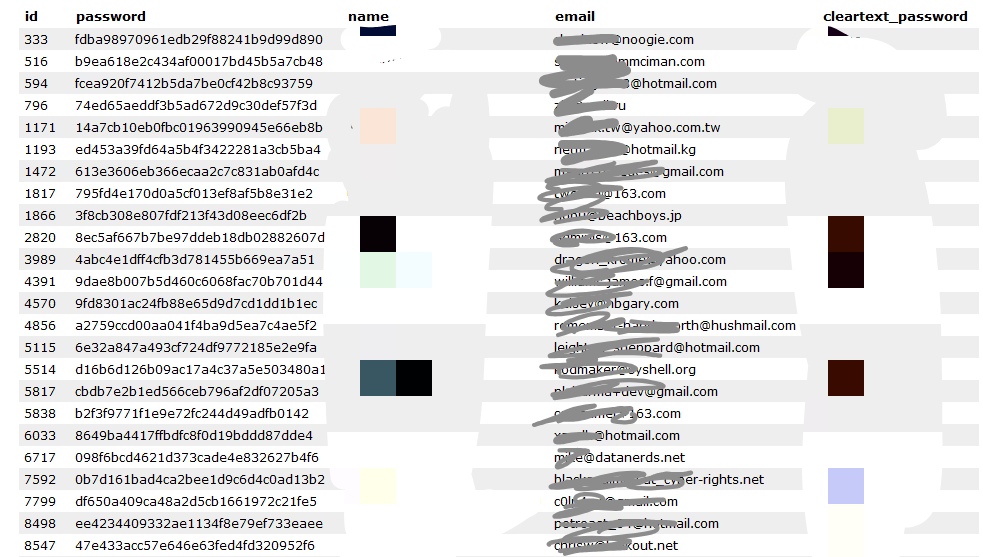
During the investigation, researchers observed that many dark web listings display login credentials in their raw and fully exposed form. These databases often contain complete email addresses alongside plaintext or easily reversible passwords.
Such exposure creates severe risks because attackers can directly attempt account takeovers, financial fraud, and identity theft using these credentials.
However, due to ethical, legal, and privacy reasons, we are not displaying any real leaked credentials in this report. Instead, masked examples are provided below to demonstrate how such information typically appears in compromised datasets.
Safe Example Representation
| Password | |
|---|---|
| moha********@gmail.com | 728******** |
| ayes********@yahoo.com | pass******** |
| aman********@hotmail.com | qwert******** |
| zain********@outlook.com | 9f3a******** |
These examples reflect the structure and format of leaked credential databases while ensuring that no real user information is exposed.
Why The Number “16 Billion Credentials” Appears So Large
The claim of 16 billion credentials does not necessarily mean 16 billion individual users were hacked. Several factors contribute to such massive numbers.
Multiple Accounts Per User
Most internet users maintain accounts across multiple platforms such as social media, email services, financial services, and developer portals. If one user appears across multiple breaches, their credentials may be counted several times.
Password Reuse
Many users reuse the same password across different platforms. When one service is breached, attackers can often access several other accounts using identical login details.
Duplicate and Historical Data
Large credential collections frequently combine data from multiple breaches over several years. This leads to duplicate entries and inflated totals.
How Attackers Collect Login Credentials
Investigations suggest that most massive credential collections are not the result of hacking a single company. Instead, attackers gather data through various techniques, including:
- Infostealer Malware: Malicious software installed on infected devices can extract saved browser passwords, cookies, autofill data, and system information.
- Phishing Campaigns: Fake websites and deceptive emails trick users into entering their login credentials, which attackers capture.
- Website Data Breaches: When vulnerable websites are hacked, user databases containing emails and passwords are stolen and later sold.
- Credential Stuffing Attacks: Attackers reuse credentials from older breaches to access accounts on different platforms where users reused passwords.
Why Dark Web Marketplaces Look Professional
Modern cybercrime platforms often resemble legitimate online stores. Their advanced design is intentional and serves psychological and operational purposes.
These marketplaces commonly include:
- Escrow payment protection
- Verified vendor badges
- Refund guarantees
- Customer review systems
- Professional product listings
Despite this professional appearance, these marketplaces operate illegally and often involve scams or stolen data redistribution.
Risks Faced By Users
When login credentials are leaked, affected users face serious cybersecurity threats including:
- Unauthorized account access
- Financial fraud and cryptocurrency theft
- Identity theft
- Social media impersonation
- Additional phishing attacks targeting compromised accounts
Why Showing Real Credentials Is Dangerous
Publishing or distributing real leaked login details can:
- Directly compromise innocent users
- Enable financial fraud and identity theft
- Spread stolen personal data further
- Violate privacy and cybersecurity laws
For these reasons, responsible cybersecurity researchers and media organizations only publish anonymized or masked examples when reporting on data breaches.
How Users Can Protect Their Accounts
Security experts strongly recommend implementing the following safety measures.
Enable Two-Factor Authentication (2FA)
Adding 2FA provides an extra security layer, requiring verification beyond just a password.
Use Unique Passwords For Every Platform
Using different passwords prevents attackers from accessing multiple accounts if one password is leaked.
Use A Password Manager
Password managers help generate strong passwords and store them securely.
Monitor Breach Exposure
Users should regularly check if their email addresses or accounts appear in known breach databases using trusted cybersecurity monitoring services.
The Growing Global Cybersecurity Threat
Credential theft has become one of the most widespread cybercrime activities globally. Over the past decade, billions of user credentials have been exposed through breaches and malware campaigns.
The rise of dark web marketplaces demonstrates how stolen data has evolved into a structured underground economy where cybercriminals buy and sell personal information.
Conclusion
The discovery of massive credential collections being sold on dark web marketplaces serves as a warning for internet users worldwide. Although numbers like 16 billion credentials often include duplicates and aggregated breach data, the cybersecurity risk remains extremely serious.
Adopting stronger digital security habits, including using two-factor authentication and unique passwords, remains one of the most effective ways to protect personal accounts and sensitive information from cybercriminal exploitation.