

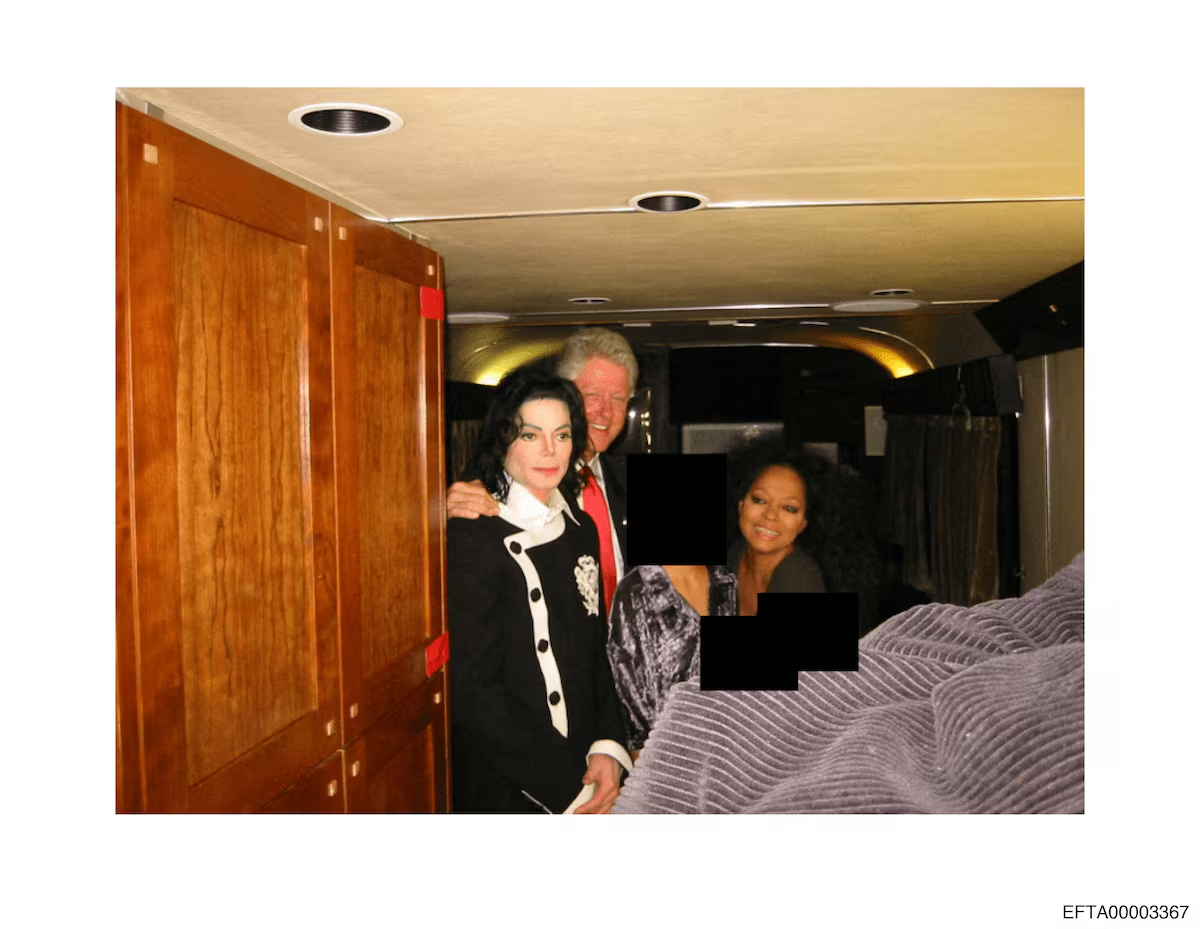
The unsealing of the Jeffrey Epstein investigative files, facilitated by the Epstein Files Transparency Act of 2025, has provided the public with a definitive forensic blueprint of a decade-long sex trafficking operation.
This report synthesizes evidentiary materials recovered from various jurisdictions, granular testimonies of surviving victims, and the procedural mechanics of the federal prosecution of Ghislaine Maxwell. By analyzing the structural facilitation of these crimes through the lens of institutional failure, geographic mobility, and psychological grooming, a comprehensive narrative of the enterprise emerges.
Historical Context: The Two Phases
The trajectory of the investigation involves two distinct phases: the localized failure of the early 2000s and the federal resurgence following the 2019 arrest. The initial investigative spark occurred in March 2005. Despite substantial physical evidence, the 2008 Non-Prosecution Agreement (NPA) provided Epstein with a "sweetheart deal" that effectively silenced federal inquiry for nearly a decade.
| Jurisdiction | Period | Outcome |
|---|---|---|
| Palm Beach Police | 2005–2006 | Local warrants; Minor charges. |
| Southern District FL | 2007–2008 | Non-Prosecution Agreement (NPA). |
| Southern District NY | 2018–2021 | Conviction of Ghislaine Maxwell. |
Architectural and Logistical Framework
The investigation identified three primary domestic hubs used for exploitation: the Manhattan townhouse, the Palm Beach estate, and the Zorro Ranch in New Mexico. Detective testimony described these properties as "five-star hotels" where every aspect of the domestic environment was controlled.
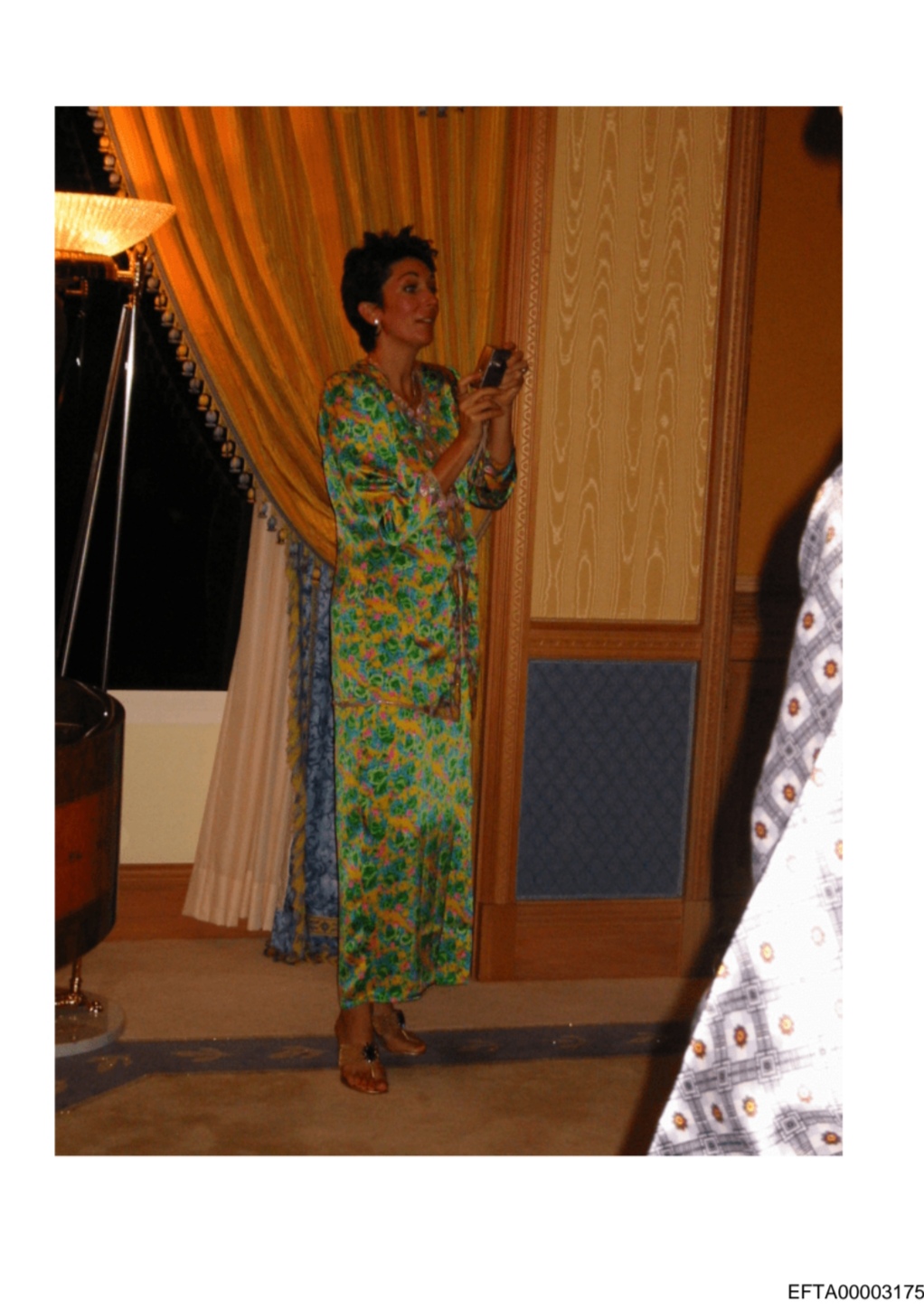
Forensic analysis revealed a recurring architectural feature: the dedicated "massage room." In Manhattan, the room had dark draperies covering the windows; in Palm Beach, it featured a detached pool house. These rooms were identified as the primary sites of abuse, often conducted under the pretext of providing "therapeutic" massages.
Psychological Mechanics: The Case of "Jane"
The recruitment of "Jane" (Minor Victim 1) provides a detailed case study of the "mentorship" grooming model employed by Maxwell. Maxwell and Epstein presented themselves as philanthropic donors. Maxwell was described as a "cool older sister" who would normalize the environment, a critical prerequisite for the abuse that followed.
The "Pyramid" Recruitment Model
By the early 2000s, the recruitment strategy evolved into a decentralized "pyramid" structure. Victims were incentivized with cash—crisp one-hundred-dollar bills—to recruit their peers. This "recruitment through victims" strategy allowed the enterprise to maintain a constant stream of individuals without the principals having to identify every target personally.
Institutional Failures & The NPA
The unsealed 2026 documents provide a critical autopsy of the 2008 Non-Prosecution Agreement. Negotiated in secret, it allowed Epstein work release for 12 hours a day. Internal DOJ emails suggest this deal had a "deterrent effect" on subsequent investigations.
The Transparency Act of 2025
The final phase was defined by the transition from secrecy to mandatory transparency. The release of 3.5 million pages represents one of the most significant disclosures in criminal litigation history.
Official Evidence Download
Access the certified transcript of the Grand Jury testimony referenced in this report.
cosmicsnap.co.in • 2026 OFFICIAL ARCHIVE